Modernizing Corporate Spaces with Networked Sound System Technologies for Improved Consumer Experience
Modern commercial spaces growingly turn on digital solutions to design settings that are both functional and inviting. Among the most effective methods for improving these environments are connected audio technologies. These systems provide companies to provide consistent and clear audio throughout business sections, corporate spaces, or service locations. By adopting networked acoustic systems, organizations can manage musical settings, messages, and sound prompts from a single system, ensuring every zone of the space receives the desired atmosphere. The strategic use of acoustics adds to customer experience and enjoyment, which is essential for maintaining clientele and driving return visits.
Connected sound technologies also offer a key purpose in improving operational efficiency. For spacious retail stores or complex workspaces, handling sound directly can be cumbersome and variable. Integrated platforms deliver unified command, enabling teams to modify volume levels, schedule audio tracks, or broadcast notifications instantly to multiple zones. This capability of control limits the requirement for repeated management and guarantees that all areas get the same standard of sound. Businesses can also combine analytics tools with these solutions to monitor audio usage and optimize audio performance, further supporting the overall customer and employee experience.
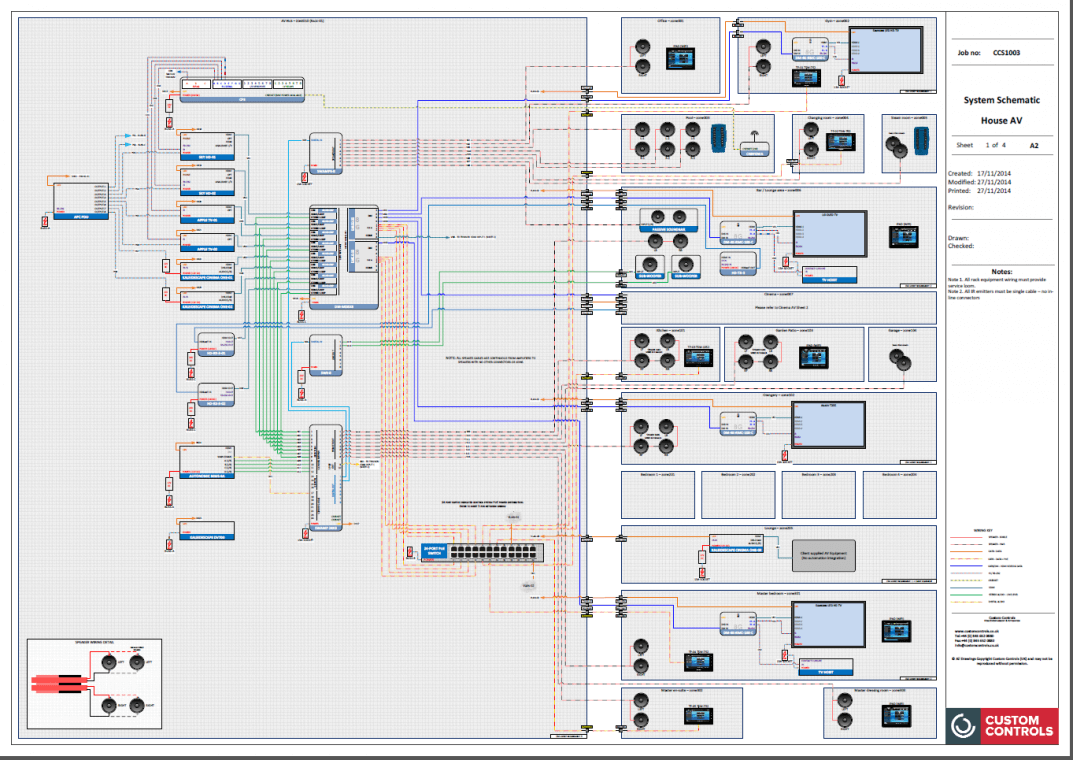
Another important factor of integrated sound solutions is their benefit to brand identity. Sound design is a nuanced yet impactful tool that affects experience and engagement. Strategically selected background music and sound prompts can support a business’s image, making the space feel inviting and refined. For instance, shops can use selected sound styles or rhythms to increase customer dwell time, while restaurants can adjust ambient sound to complement meal experiences. The uniformity of sound throughout all zones of a organization helps establish a cohesive environment that supports both marketing and management goals.
Security and inclusivity are other advantages of integrated acoustic technologies in retail areas. These straight from the source platforms can be linked with safety mechanisms to broadcast understandable alerts during critical situations or critical incidents. High-quality audio distribution ensures that every part of the facility receives alerts simultaneously, minimizing miscommunication and enhancing emergency response. Furthermore, sound networks can enable assistive features, such as spoken instructions or hearing-impaired-friendly alerts, enhancing the accessibility of the space. Incorporating these capabilities shows a focus to both consumer service and regulatory compliance.
Finally|Ultimately|In browse around this site conclusion, deploying in networked acoustic solutions delivers sustainable advantages for businesses. Beyond immediate enhancements to consumer engagement, these technologies provide expandability, reliability, and adaptability as commercial spaces develop. Expanding or extending audio networks can be accomplished without disruptive interruption, and the capacity to adjust sound settings ensures that organizations can adapt quickly to new requirements or preferences. By implementing state-of-the-art sound systems, businesses can create engaging, productive, and secure spaces that elevate both consumer engagement and workflow effectiveness, positioning these systems an vital element of modern commercial design.